Common Causes of Concrete Foundation Damage
To address common causes of concrete foundation damage, local contractors can assess issues like settling, water intrusion, and cracking to provide effective repair solutions.
Understanding the common causes of concrete foundation damage is an important step for property owners looking to protect their investments. Issues such as soil movement, poor drainage, and fluctuations in moisture levels can all contribute to cracks, settling, or other structural problems over time. Recognizing these factors helps homeowners identify early warning signs and seek timely assistance from local contractors who specialize in foundation repair. Staying informed about what can lead to foundation issues empowers property owners to make proactive decisions that can prevent more extensive and costly repairs down the line.
For those in the area considering foundation repair, knowing the typical causes of damage can also clarify the importance of professional assessment and intervention. Local service providers have experience addressing these common issues, whether it’s correcting drainage problems or stabilizing shifting soil. Exploring this topic further can help property owners understand the steps involved in restoring a foundation’s stability, ensuring that the work is handled effectively by experienced specialists. Keep reading to learn more about how these factors influence foundation health and how local experts can assist in maintaining a strong, durable structure.
- When shifting soil causes foundation cracks, local contractors can evaluate and perform foundation stabilization or underpinning to address the damage. - Water infiltration from poor drainage or plumbing leaks can weaken concrete, prompting service providers to recommend waterproofing and repair solutions. - Freeze-thaw cycles can lead to surface deterioration, and local pros often perform concrete patching or reinforcement to restore structural integrity. - Soil expansion due to moisture changes may cause uneven settling, with local contractors offering foundation leveling and stabilization services. - Heavy loads or improper construction can stress foundations, and local service providers can assess and reinforce the structure to prevent further damage.
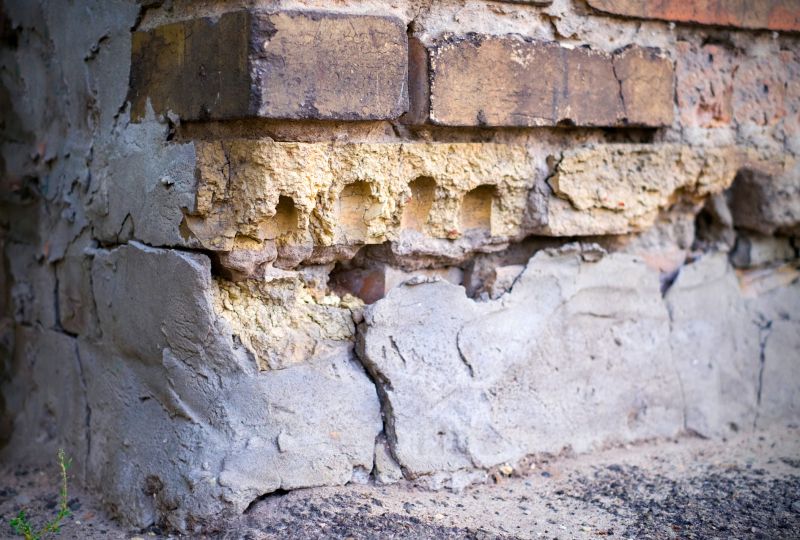
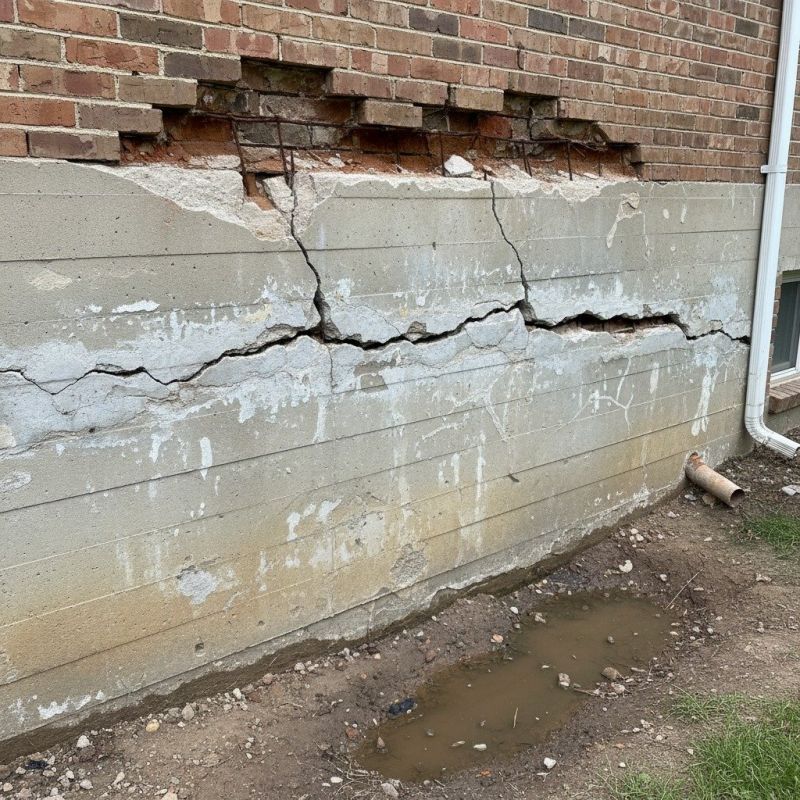
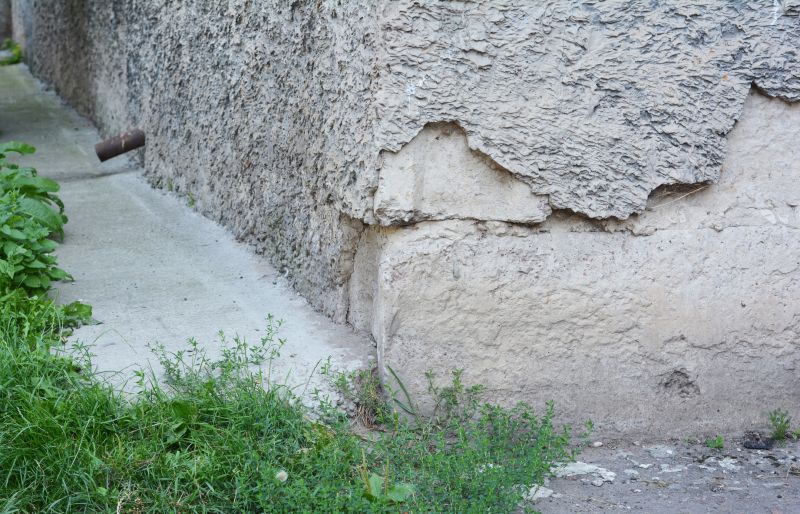
Understanding the common causes of concrete foundation damage is essential for homeowners who want to protect their property and ensure its stability. When people search for this topic, they are often concerned about the reasons behind cracks, settling, or shifting in their foundation. These issues can lead to structural problems that affect the safety and value of a home. Foundation damage can result from a variety of factors, including soil conditions, water management, and construction practices. Recognizing these causes helps homeowners identify potential problems early and seek the appropriate repairs from experienced service providers.
Many foundation issues stem from soil-related problems. Expansive clay soils, which swell when wet and shrink when dry, are a common culprit. Such soil movement can exert pressure on the foundation, causing cracks or uneven settling. Poor drainage around the property can also contribute to soil instability by allowing excessive water to accumulate near the foundation. This moisture can weaken the soil, leading to shifting or sinking of the concrete slab or footing. Local contractors who specialize in foundation repair are familiar with these soil dynamics and can recommend solutions such as proper grading, drainage improvements, or soil stabilization to prevent further damage.
Water intrusion is another leading cause of foundation damage. Excess water from rain, plumbing leaks, or improper gutter systems can seep into the ground around a property. Over time, this water can erode or weaken the soil supporting the foundation, resulting in cracks or sinking. Conversely, insufficient moisture can cause soil to dry out and shrink, leading to similar issues. Many properties, especially those in areas with heavy rainfall or poor drainage, are vulnerable to these water-related problems. Local foundation repair specialists are equipped to evaluate drainage systems and moisture levels, offering solutions like waterproofing, sump pump installation, or moisture barriers to help maintain a stable foundation.
Construction flaws and aging also play a role in foundation damage. Poorly poured concrete, inadequate reinforcement, or improper foundation design can lead to early deterioration or cracking. Over time, natural settling or shifts in the ground can exacerbate these issues, especially if the original construction was not up to standard. Older homes are often more susceptible to such problems due to the materials and building practices used at the time. When foundation damage occurs because of these factors, experienced local service providers can assess the extent of the damage and recommend appropriate repair methods, including underpinning, piering, or slab jacking. Addressing these common causes helps homeowners preserve the integrity of their property and avoid more costly repairs down the line.
Foundation waterproofing projects involve assessing and addressing water intrusion issues that can lead to foundation cracks and damage, requiring similar planning and waterproofing tools as foundation repair services.
Drainage system installation focuses on improving soil stability around structures, which is essential in preventing issues caused by poor drainage that contribute to foundation damage.
Soil stabilization services aim to improve soil conditions beneath structures, paralleling foundation repair efforts that address soil-related causes of damage.
Concrete leveling and slabjacking involve lifting and stabilizing sunken or uneven concrete slabs, often related to foundation settling or shifting problems.
Retaining wall construction requires understanding soil pressure and drainage, skills that are also vital when repairing foundation issues caused by soil movement.
Structural reinforcement projects include adding supports to prevent further movement or cracking, aligning with foundation repair techniques to reinforce compromised structures.
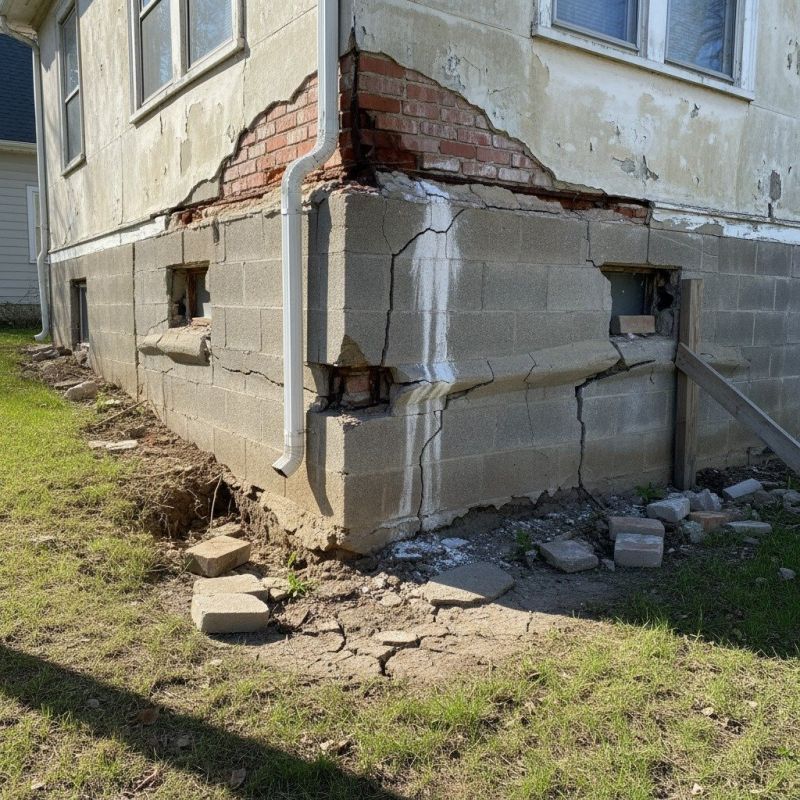
When evaluating service providers for foundation damage repair, it is important to consider their experience with similar projects. Local contractors who have handled concrete foundation issues related to common causes of concrete foundation damage can offer valuable insights and proven solutions. Asking about their past work on comparable repairs can help determine if they have the practical knowledge needed to address specific problems effectively. A contractor with a history of successful projects in this area is more likely to understand the nuances of foundation repair and provide results that meet expectations.
Clear written expectations are essential when comparing foundation repair services. Reputable service providers should be able to provide detailed descriptions of the scope of work, the methods they plan to use, and the materials involved. This transparency helps ensure that homeowners understand what will be done and can compare proposals accurately. Well-defined expectations also serve as a foundation for any future discussions or adjustments, reducing the risk of misunderstandings or surprises during the repair process.
Good communication and reputable references are key factors to consider when selecting local contractors for foundation damage repair. Service providers who communicate clearly and promptly demonstrate professionalism and a commitment to customer service. Additionally, requesting references from previous clients can provide insights into the contractor’s reliability, quality of work, and ability to handle issues that may arise. Gathering this information helps homeowners make informed decisions and feel confident in choosing a contractor capable of addressing common causes of concrete foundation damage effectively.
Property owners often search for common causes of concrete foundation damage when they are planning practical projects around their homes and businesses. Local pros provide Foundation Damage Repair services for everyday jobs and straightforward project options.
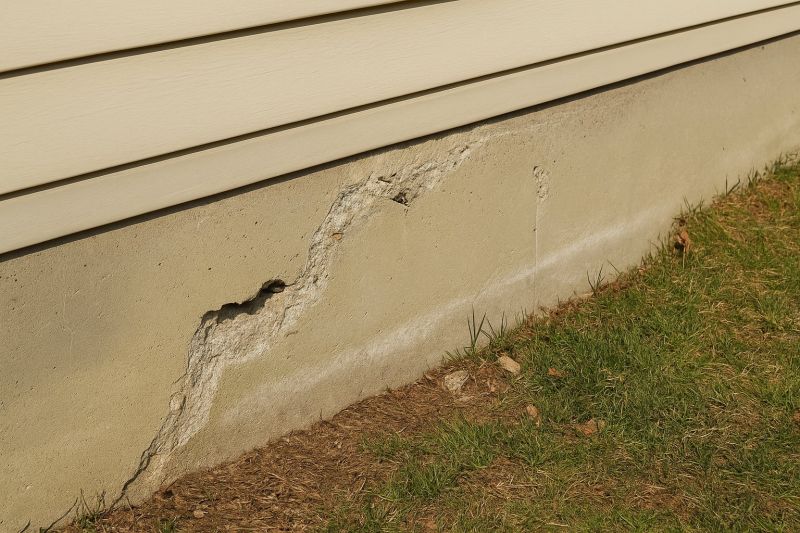
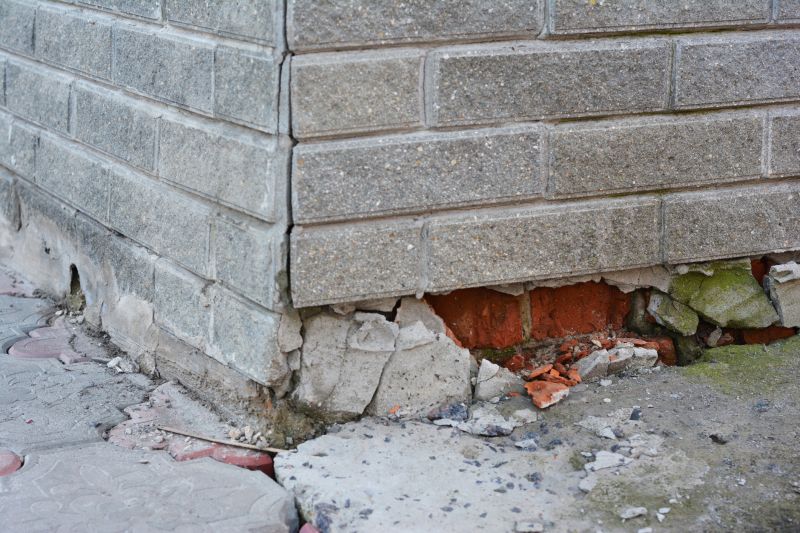
Understanding the common causes of concrete foundation damage can help property owners identify early warning signs and prevent costly repairs. In many cases, issues stem from natural ground movement, such as soil expansion and contraction due to moisture changes. For example, areas with poor drainage or uneven watering habits can lead to soil shifting beneath the foundation, causing cracks or settling over time. Additionally, improper construction practices or the use of unsuitable materials can weaken the foundation’s stability, making it more vulnerable to damage from everyday stresses like heavy loads or seasonal changes.
Property owners in the local area often seek foundation damage repair services when they notice signs like uneven floors, cracking walls, or sticking doors and windows. These problems frequently result from underlying issues such as soil instability, poor drainage, or the effects of moisture infiltration. Local contractors experienced in foundation repair can assess the situation, identify the root causes, and recommend appropriate solutions to restore stability. Connecting with qualified service providers can help address these common causes effectively, ensuring the long-term integrity of the property’s foundation.
What are common causes of concrete foundation damage? Common causes include soil movement, water infiltration, poor drainage, and improper construction practices, all of which can lead to cracks, settling, or shifting in the foundation. Local contractors experienced in foundation repair can assess the specific issues affecting a property.
How does soil movement contribute to foundation damage? Soil movement, such as expansion or contraction due to moisture changes, can exert pressure on the foundation, causing cracks or uneven settling. Service providers can identify soil-related issues and recommend appropriate repair solutions.
Can water-related issues cause damage to a concrete foundation? Yes, water infiltration from poor drainage or plumbing leaks can weaken the soil supporting the foundation, leading to erosion, cracking, or shifting. Local specialists are equipped to address water issues and reinforce the foundation.
What construction practices can lead to foundation damage? Inadequate curing, improper reinforcement, or poor quality materials during construction can cause vulnerabilities in the foundation. Experienced contractors can evaluate and repair damage resulting from these issues.
How do environmental factors impact concrete foundation integrity? Environmental factors like freeze-thaw cycles and fluctuating moisture levels can cause expansion and contraction, leading to cracks and structural stress. Local foundation repair experts can provide solutions to mitigate these effects.
Soil settlement - property owners can evaluate drainage and soil conditions around their foundation and seek foundation repair services from local contractors to address uneven settling.
Poor drainage systems - installing or repairing gutters and downspouts can prevent water accumulation that leads to foundation erosion, with local service providers helping ensure proper water management.
Tree roots proximity - trimming or removing nearby trees with the help of local pros can reduce root intrusion that causes cracks and shifting in the foundation.
Frost heave - understanding seasonal ground movement and working with local foundation specialists can help mitigate damage caused by freeze-thaw cycles.
If you are thinking about common causes of concrete foundation damage for a property, this guide is meant to help you understand this topic, the typical project types, and how different options might fit your plans.
When you are ready, you can use the quote form on this page to share a few details about your project. From there, local pros can review the basics and follow up with options that match what you have in mind.