
Leading Foundation Repair Products For Structural Restoration
Identify top-quality products designed to restore and reinforce your home's foundation against future damage.
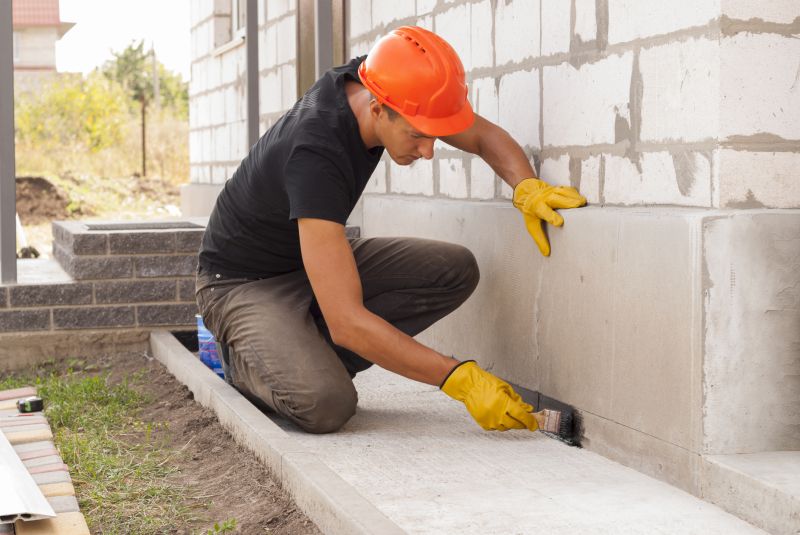 Foundation repairs are a critical aspect of maintaining the structural integrity of a building, especially in areas prone to soil movement or moisture fluctuations. When addressing foundation issues, a variety of products are available to help stabilize and reinforce the structure. These products are designed to suit different types of foundation problems, whether they involve settling, cracking, or shifting. Selecting the right products requires understanding the specific needs of the property and the underlying causes of the foundation concerns.
Top Overall Option
Hydraulic Pile Supports
Hydraulic pile supports are versatile foundation repair products that can be used to lift and stabilize various types of foundations. They are often employed in cases of settlement or uneven sinking, providing adjustable support that can be fine-tuned over time. These supports are designed for durability and can accommodate different load requirements, making them a reliable choice for many repair scenarios.
Types of Products For Foundation Repairs
Carbon Fiber Reinforcement Strips
Used to reinforce cracked concrete and prevent further cracking, these strips add tensile strength to existing structures.
Epoxy Injection Kits
Designed for filling cracks and bonding concrete, these kits help restore structural integrity and prevent water intrusion.
Polyurethane Foam Injectors
Used to lift and level sinking slabs or fill voids beneath the foundation, providing support and stabilization.
Steel Push Piers
These are driven into the ground beneath the foundation to provide permanent support and lift sinking areas.
Helical Pier Systems
Helical piers are screwed into the ground to stabilize and lift foundations, suitable for various soil types.
Concrete Underpinning
This involves extending the foundation depth with concrete footings to provide additional support.
Soil Stabilization Grouts
Injectable grouts improve soil stability around the foundation, reducing settlement and shifting.
Mudjacking / Slab Jacking
A process of injecting a slurry beneath concrete slabs to lift and level sunken areas.
Foundation Sealants
Sealants help prevent water infiltration and protect against moisture-related foundation issues.
Drainage Systems
Proper drainage products divert water away from the foundation, reducing soil erosion and moisture problems.
Anchors and Tiebacks
Used to stabilize bowing or leaning walls by anchoring them to stable soil or structures.
Vibration and Pressure Grouting
Injects controlled amounts of grout to fill voids and strengthen the soil around the foundation.
Foundation Jack Posts
Adjustable posts used to support and level beams or floors during or after repairs.
Waterproofing Membranes
Applied to the exterior or interior of foundations to prevent water penetration and damage.
Vapor Barriers
Installed beneath slabs or within crawl spaces to control moisture and prevent mold growth.
Popular Choices
Often selected for their adjustability and strength in foundation stabilization projects.
Commonly used for crack repair and bonding in concrete structures.
Popular for quick lifting and void filling beneath slabs.
A frequently chosen solution for permanent foundation support.
Widely used for leveling uneven concrete slabs efficiently.
Commonly applied to prevent water intrusion in vulnerable areas.
Essential for managing water flow and reducing foundation moisture issues.
Frequently used to stabilize leaning or bowing basement walls.
Popular for soil stabilization around foundations.
Often utilized for leveling floors and supporting beams during repairs.
In Antioch, Tennessee, homeowners and contractors often seek reliable solutions that can be installed with precision and durability. Proper foundation repair products not only provide immediate support but also contribute to the long-term stability of the building. It is essential to consider factors such as soil type, load requirements, and accessibility when choosing these products. Professional consultation is recommended to determine the most appropriate options for each unique situation.
Foundation repair products range from simple sealants to complex underpinning systems. Some solutions involve the use of hydraulic piers or steel supports to lift and stabilize sinking foundations. Others utilize epoxy or polyurethane injections to fill cracks and prevent water intrusion. The selection process should include evaluating the product’s compatibility with existing structures, ease of installation, and the potential for future adjustments. With a wide array of options available, understanding the features and limitations of each product type can help ensure effective and lasting repairs.
Investing in quality foundation repair products can help mitigate further damage and preserve the value of the property. Regular inspection and maintenance, combined with the right repair solutions, can extend the lifespan of the foundation and improve overall safety. Whether dealing with minor cracks or significant shifting, the right products can facilitate a comprehensive approach to foundation health. Always prioritize safety and professional guidance when undertaking foundation repairs to achieve the best possible outcome.
Key Buying Considerations
- Assess the specific foundation issue, such as cracking, sinking, or bowing, to select the appropriate product.
- Consider the soil type and moisture conditions of the site to determine suitable stabilization methods.
- Evaluate the load-bearing requirements and size of the structure to ensure the product can provide adequate support.
- Check compatibility with existing foundation materials, such as concrete, brick, or stone.
- Determine whether the product allows for future adjustments or repairs if needed.
- Review installation procedures and whether professional assistance is recommended or required.
- Examine the durability and corrosion resistance of materials used in the products.
- Consider the ease of application and whether the product comes with comprehensive instructions or support.
- Research the product’s ability to prevent water infiltration and manage moisture around the foundation.
- Factor in the long-term maintenance needs and potential for future repairs.
- Review safety features and certifications to ensure compliance with local building codes.
- Estimate the overall project cost, including materials, labor, and potential additional repairs.
- Look for products with proven performance records or testimonials from other users.
- Ensure the product is suitable for the specific foundation type and size of your property.
- Consider environmental factors that might influence the choice, such as freeze-thaw cycles or soil stability.